Inspired by Nature: Building Climate Resilience in Somalia Through Nature-Based Solutions
World Environment Day 2026
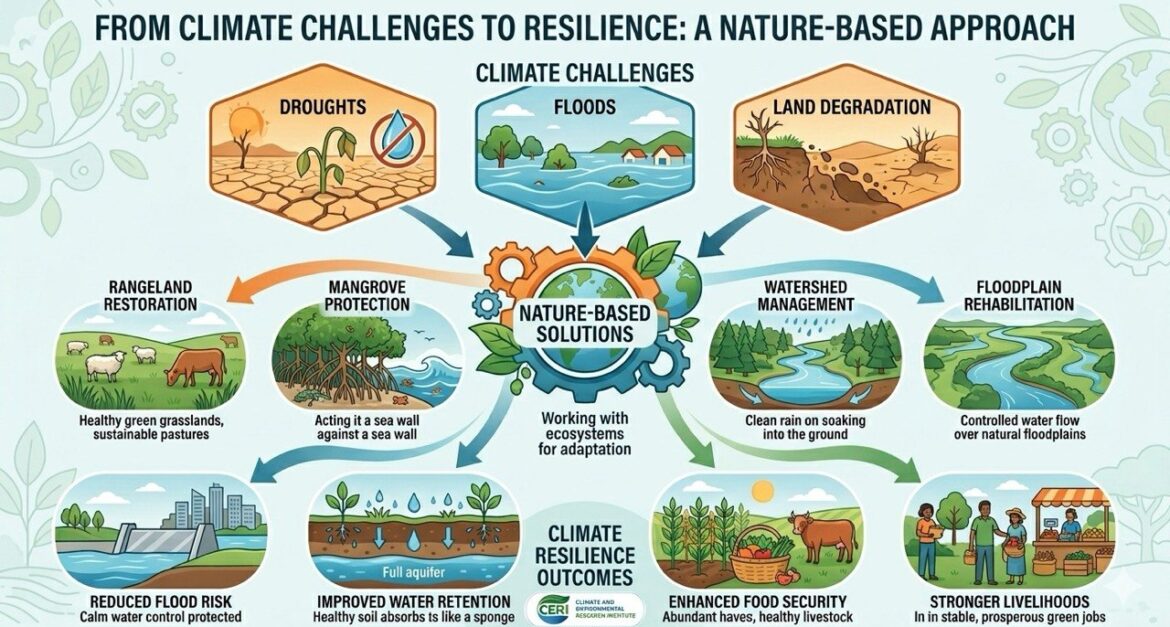
One season, communities across Somalia endure prolonged drought, struggling to secure water, sustain livestock, and protect livelihoods. The next, intense rainfall triggers flash floods that displace families, damage infrastructure, and destroy agricultural land. These increasingly severe climate extremes are no longer future threats they are today’s reality.
As we mark World Environment Day 2026 under the global theme, “Inspired by Nature. For Climate. For Our Future,” Somalia has an opportunity to rethink how climate resilience is built. In a country facing some of the world’s most complex climate challenges, working with nature is no longer an alternative approach it is an essential pathway toward sustainable development, food security, and long-term stability.
Key Takeaways
- Nature-based solutions can reduce the impacts of both droughts and floods.
- Healthy ecosystems strengthen livelihoods and improve climate resilience.
- Geospatial monitoring provides critical data for evidence-based decision-making.
- Indigenous knowledge enhances the effectiveness of climate adaptation strategies.
- Proactive disaster risk governance is more effective and sustainable than reactive emergency response.
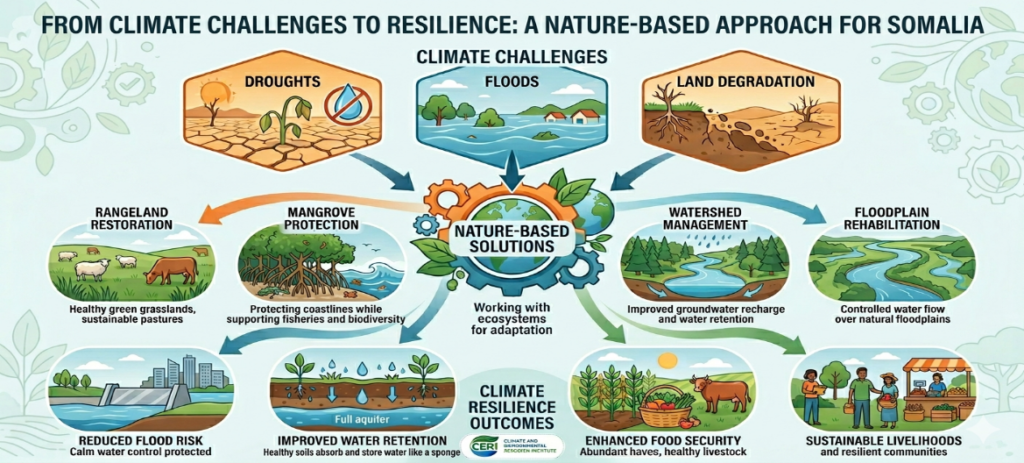
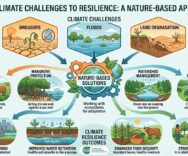
Figure 1. Inspired by Nature: Nature-Based Solutions offer sustainable pathways for addressing droughts, floods, and land degradation while strengthening climate resilience, food security, and livelihoods in Somalia. Source: CERI, World Environment Day 2026.
Why Nature Matters for Somalia’s Climate Resilience
Somalia’s ecosystems are among its most valuable assets. From the vast rangelands that support pastoral communities to the riverine ecosystems along the Juba and Shabelle rivers, nature provides essential services that sustain livelihoods and strengthen resilience.
However, climate change, land degradation, deforestation, and unsustainable resource use are placing increasing pressure on these natural systems. As ecosystems weaken, communities become more vulnerable to environmental shocks.
Protecting and restoring nature is therefore not only an environmental priority, it is a social, economic, and national development imperative. Healthy ecosystems help regulate water flows, improve soil fertility, support biodiversity, and reduce the impacts of climate-related disasters.
The Power of Nature-Based Solutions
For decades, climate adaptation efforts have relied heavily on engineered or “gray infrastructure” solutions such as flood barriers, drainage systems, and dams. While these interventions can be effective, they are often expensive, difficult to maintain, and vulnerable to extreme climate events.
Nature-Based Solutions (NbS) offer a complementary and often more sustainable approach by working with ecosystems rather than against them.
Examples relevant to Somalia include:
- Restoring degraded rangelands to improve vegetation cover, soil health, and livestock productivity.
- Protecting and rehabilitating mangrove ecosystems that safeguard coastlines while supporting fisheries and biodiversity.
- Managing watersheds to improve groundwater recharge and water retention.
- Restoring natural floodplains to reduce flood risks and enhance water storage.
These interventions help ecosystems function as natural buffers absorbing excess water during heavy rainfall, reducing erosion, retaining moisture during dry periods, and supporting livelihoods across rural and urban communities.
By investing in nature, Somalia can simultaneously strengthen climate resilience, improve food security, and support sustainable economic development.
Using Geospatial Data to Guide Climate Action
Effective climate adaptation requires accurate information and evidence-based planning.
At the Climate and Environmental Research Institute (CERI), we utilize advanced geospatial technologies, including satellite remote sensing and Geographic Information Systems (GIS), to monitor environmental conditions across Somalia.
Through geospatial analysis, we can:
- Monitor vegetation health and ecosystem density across Somalia.
- Identify ecological drought hotspots and areas vulnerable to environmental degradation.
- Assess thermal stress and land surface temperature patterns affecting ecosystem resilience.
- Analyze topographic influences on ecological distribution and climate vulnerability.
- Support evidence-based decision-making through geospatial environmental intelligence.
This information enables decision-makers to prioritize interventions, allocate resources efficiently, and target restoration efforts where they can have the greatest impact.
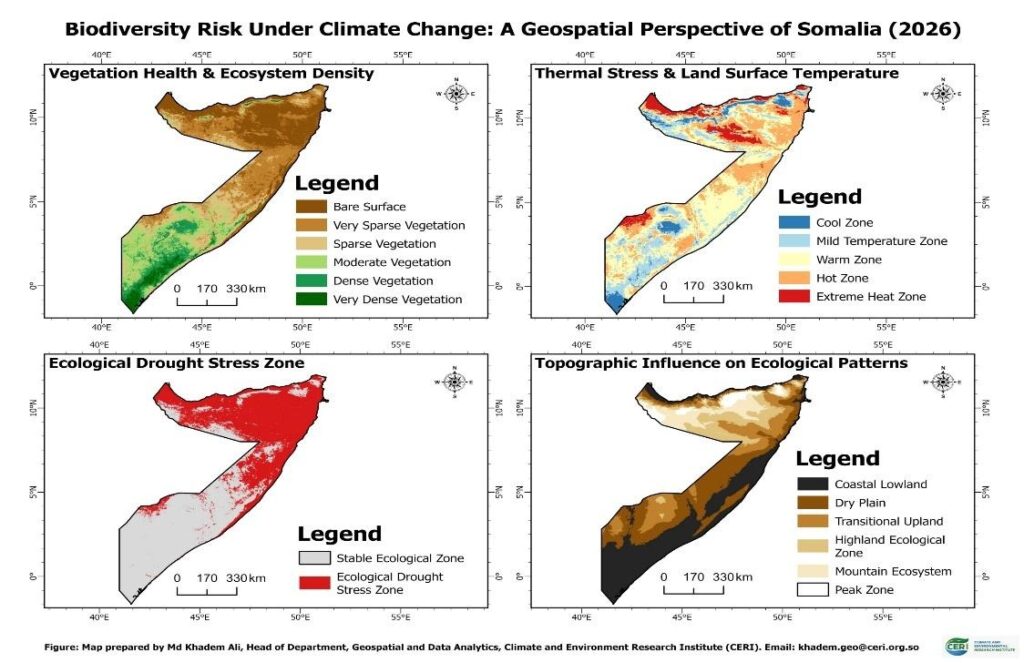
Figure 2. Geospatial assessment of ecological vulnerability across Somalia (2026).
Strengthening Disaster Risk Governance
Data alone does not create resilience. It must be translated into action.
As climate-related disasters become more frequent and severe, Somalia must continue strengthening disaster risk governance at national, regional, and community levels. Early warning systems, risk assessments, contingency planning, and community preparedness are essential tools for protecting vulnerable populations.
Resilience depends on moving from reactive emergency response toward proactive disaster risk management. Investing in preparedness today can significantly reduce human suffering, economic losses, and recovery costs in the future.
Integrating Indigenous Knowledge with Modern Science
While technology provides powerful insights, local communities possess generations of environmental knowledge that remain invaluable.
Somali pastoralists and farming communities have long relied on traditional indicators to anticipate seasonal changes, manage natural resources, and adapt to environmental variability. Their observations of weather patterns, migration routes, vegetation conditions, and water availability offer perspectives that complement scientific analysis.
At CERI, we recognize that the most effective climate solutions emerge when modern science and indigenous knowledge work together. Integrating community expertise with geospatial monitoring and meteorological data helps create adaptation strategies that are locally relevant, culturally grounded, and widely trusted.
The Role of CERI in Building Resilience
The Climate and Environmental Research Institute (CERI) is committed to advancing evidence-based environmental research and supporting climate resilience across Somalia.
Through environmental monitoring, geospatial analysis, disaster risk research, and community engagement, CERI works to bridge the gap between scientific knowledge and practical action. Our goal is to support policymakers, development partners, local authorities, and communities with the information and tools needed to make informed decisions that strengthen resilience and promote sustainable environmental management.
A Call to Action for Our Future
Climate resilience cannot be built after disasters occur. It must be built beforehand through healthy ecosystems, reliable climate information, strong institutions, and empowered communities.
This World Environment Day, we call upon researchers, policymakers, development partners, civil society organizations, and local communities to work together in building a more resilient Somalia.
How We Can Act #NowForClimate
Prioritize Ecosystem Wealth
Recognize forests, rangelands, watersheds, and coastal ecosystems as strategic national assets that support economic development, food security, and climate resilience.
Support Evidence-Based Policy
Promote the use of localized environmental research, geospatial data, and risk assessments to guide planning, investment, and development decisions.
Invest in Proactive Adaptation
Strengthen institutions, expand early warning systems, and support community-led conservation and ecosystem restoration initiatives that reduce future climate risks.
Conclusion
As we celebrate World Environment Day 2026, let us embrace a vision of development that is inspired by nature and guided by knowledge. Somalia’s future resilience depends on our ability to protect the ecosystems that sustain us, harness the power of science and local knowledge, and invest in solutions that benefit both people and the environment.
By acting #NowForClimate, we can build a future where communities are safer, ecosystems are healthier, and sustainable development becomes a reality for generations to come.
Climate and Environmental Research Institute (CERI)
World Environment Day 2026
Inspired by Nature. For Climate. For Our Future.